Latest from the Privacy Desk
All dispatches →AI’s Agentic Leap: Why Governance Is Racing to Catch Up
Artificial intelligence is no longer just advancing it is leaping into new territory with autonomous, agentic systems that can plan, act, and…
 AI
AI OpenAI’s Restricted-Access Cybersecurity Model: A Strategic Shift Toward Guarded Capability
OpenAI’s recent announcement of a restricted-access cybersecurity-focused model marks a notable inflection point in how advanced AI capabilities are being deployed.
Purpose Limitation and Data Minimization in Agentic AI: What GDPR Compliance Actually Requires
Agentic systems don’t just respond to prompts — they pursue objectives across multiple data sources, APIs, and sessions.
AI Guardrails Give Governance Teams a False Sense of Security
Here’s What They’re Missing The most widely deployed AI safety mechanism in enterprise settings today was never designed to manage legal risk.
 AI
AI xAI v. Bonta: Why This Constitutional Showdown Over AI Training Data Is About Much More Than One Company
Elon Musk’s AI company is suing California’s Attorney General over a law requiring disclosure of AI training data.
 AI
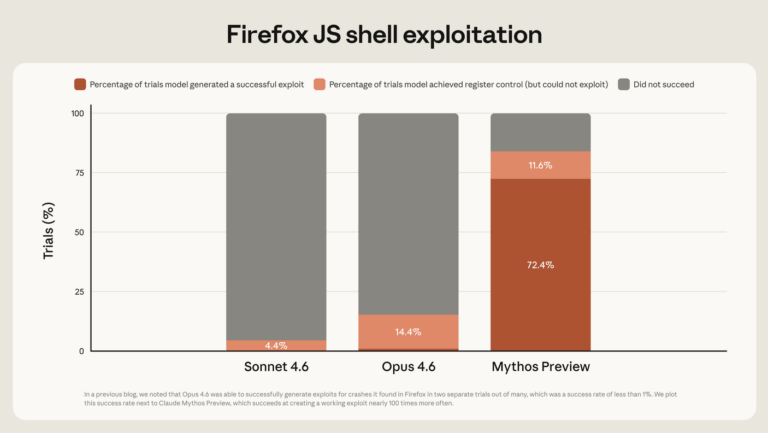
AI When AI Becomes the Threat: What Anthropic’s Claude Mythos Decision Means for Your Cybersecurity and Privacy Governance
A leading AI lab just publicly acknowledged that one of its own models may be too dangerous for general release.
 AI
AI Why a Tap Might Be the Most Important Feature in AI Wearables Right Now
Former Apple Vision Pro engineers are betting that a single physical button — not smarter AI — is what the wearable market…
 AI
AI Stanford HAI’s New Privacy Paper Argues Foundation Models Create a Different Class of Data Risk
Stanford’s Institute for Human-Centered Artificial Intelligence has released a timely issue brief on one of the most unsettled questions in AI governance:…
 AI
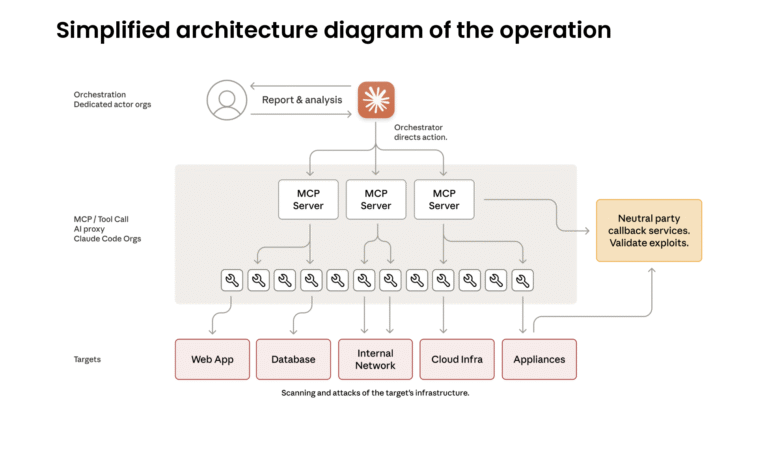
AI Anthropic Debuts Claude Mythos Preview: A Cybersecurity Game-Changer With Double-Edged Implications
In one of the most consequential AI announcements in recent memory, Anthropic has unveiled Claude Mythos Preview — its most powerful…
A New Conservative Coalition Wants to Rewrite the AI Regulation Debate
The fight over how the United States regulates artificial intelligence just got a new player — and it’s not coming from the…
 AI
AI FTC Takes “Case-by-Case” Approach as Enforcement, Not Rulemaker
The Federal Trade Commission has no intention of becoming a prescriptive regulator in the digital space.
Meta Is Building an Encrypted AI Chatbot — But a Data Breach Incident Forced Its Hand
Meta doesn’t typically move toward stronger privacy protections unless something forces it to.