 COOKIES
 PrivacyResolve.com – Industrialization of Website Privacy Claims
For the last several years, businesses have been learning an uncomfortable lesson about the modern web.
Latest from the Privacy Desk
All dispatches → COOKIES
 Beyond the Website: Why Mobile Apps and Connected TV Are the Next Privacy Litigation Frontier
For the last several years, privacy litigation has focused heavily on websites.
 COOKIES
 How to Block Image-Based Scripts and Tracking Pixels Before Consent
Most discussions about cookie consent focus on scripts. Block Google Analytics. Block Meta Pixel. Block advertising tags. Wait for the visitor to…
 COOKIES
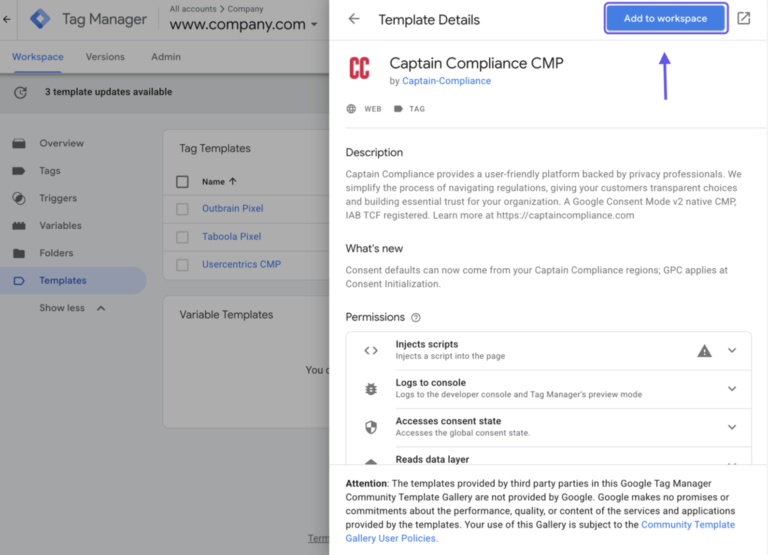
 Captain Compliance Is Now a Documented Consent Layer for Elevar’s Server-Side Stack
Elevar has published the Captain Compliance setup in its own documentation.
 COOKIES
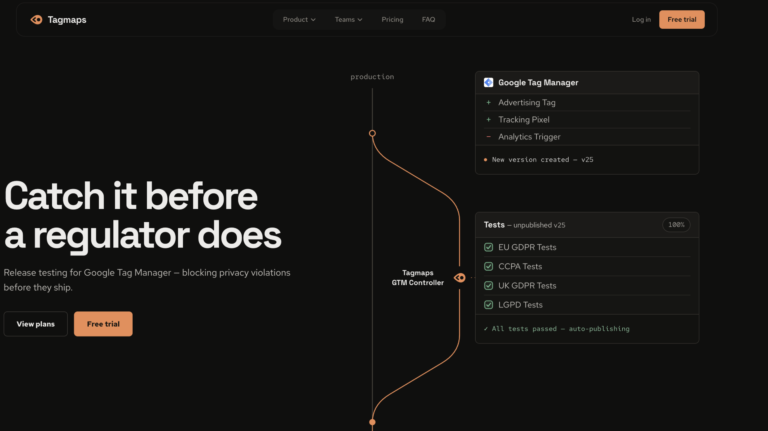
 How Tagmaps Tests Google Tag Manager for Privacy Problems Before They Go Live
Most companies with a mature marketing operation use some form of tag management.
 COOKIES
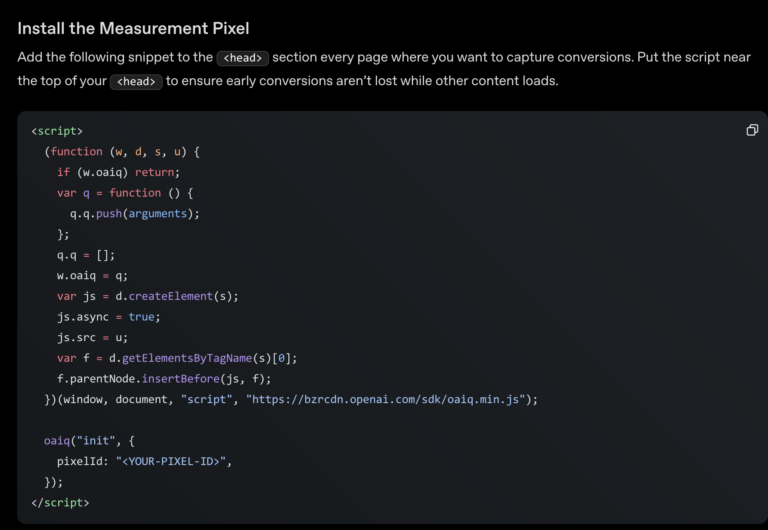
 __obi cookie – The Architecture of OpenAI’s Ad Tracking Pixel
The launch of ChatGPT’s ad-supported tiers was pitched as a routine monetization play, but under the hood, OpenAI has quietly deployed an…
The 1986 Law Quietly Driving Healthcare’s Biggest Privacy Settlements
Old Statute, New Liability: ECPA’s Quiet Takeover of Healthcare Privacy Litigation The Electronic Communications Privacy Act predates the commercial internet.
Atrium Health’s $1.8 Million Pixel Settlement Shows Healthcare Tracking Lawsuits Are Not Going Away
We just covered the recent CVS & Criteo $20.5 million pixel and tracking settlement.
CVS’s $20.5M Web Tracker Settlement Is the Fifth Reason Healthcare Can’t Treat Pixels as a Marketing Decision
CVS Health and digital advertising firm Criteo have agreed to pay $20.5 million to settle claims that web trackers embedded on CVS’s…
 COOKIES
 Cookie Compliance Consulting: What a Managed Cookie Consent Service Should Actually Do
For many companies, cookie compliance starts with a familiar project: choose a consent platform, install a banner, categorize the cookies and move…
COOKIES Transparency and Consent Framework – The Web’s Consent Backbone
In February 2022, Belgium’s Data Protection Authority ruled that the IAB Europe Transparency and Consent Framework, the mechanism behind the vast majority…
 COOKIES
 IAB TCF 2.4 Compliance For CMPs
The Transparency and Consent Framework has never stood still, and it was never going to.
 COOKIES
 ChatGPT Cookies: Complete OpenAI Cookie List, Ads Pixel Tracking and Privacy Guide
ChatGPT advertising has introduced a new tracking technology that website owners, marketers and privacy teams need to understand: the ChatGPT Ads Measurement…