Alex Proctor
Alex Proctor is a privacy and data protection professional with 15 years of experience spanning healthcare, critical infrastructure, and other highly regulated industries. With a strong foundation in cybersecurity, Alex brings a unique perspective to privacy and AI leadership. He led a cybersecurity consulting practice for half a decade and has led cybersecurity and privacy governance, risk, and compliance programs at a prominent EPC firm. He has also developed AI governance training resources used by cyber governance professionals globally. Alex serves as the Chief Trust & Privacy Officer at Captain Compliance—a privacy technology startup dedicated to simplifying complex privacy challenges and reducing privacy risk. The company’s streamlined platform addresses cookie consent management, dynamic privacy notices, data subject request processing, and more. Alex graduated from Oakland University with a bachelor’s degree in Management Information Systems (MIS). He holds numerous industry certifications, including the ISC2 CISSP and CCSP, as well as the IAPP CIPM, CIPP/E, CIPP/US, CIPT, and AIGP. Recognized by the IAPP as a Fellow of Information Privacy (FIP), Alex also chairs the IAPP Detroit KnowledgeNet chapter. He fosters dialogue and knowledge-sharing within the privacy community.
Posted articles 77 TOTAL
 AI
AI Dario Just Proposed Slowing AI Development on Purpose
Just now Dario released a blog post titled: “We Must Pace the Frontier,” Anthropic co-founder and CEO Dario Amodei made a case…
 AI
AI When AI Gives Medical Advice: Where GDPR Patient Rights Meet the EU AI Act
Artificial intelligence is moving quickly into one of the most sensitive places it can operate: the conversation between a person and a…
AI Is Creating a Children’s Privacy Problem COPPA Wasn’t Built to Solve
Smart glasses, AI cameras, classroom tools and connected devices can collect children’s faces, voices and behavior even when the child never opened…
 AI
AI The Missing Control in AI Governance: Protecting Human Judgment in an Automated World
Most artificial intelligence governance programs are being built around familiar objectives: comply with emerging laws, document foreseeable risks, test system performance, establish…
AI Will Not Sign the Brief. Lawyers Still Do. A Working Guide to Ethics and Governance
Lawyers sit on both sides of the table. They tell the C-suite how to buy and govern AI. They also paste client…
The Secrets You Tell a Chatbot Are Becoming a Product Feature
Picture a chatbot designed to keep you in the thread a little longer.
Healthcare AI Deals Fail When Privacy Enters After the Demo
The request usually arrives late. A vendor has already demoed well. Clinical or operations leaders like the time savings. Security may have…
IAPP 2026 Privacy Litigation Report: U.S. Privacy Lawsuits Surge
The number of privacy lawsuits being filed in the United States is accelerating, plaintiffs are finding new ways to apply decades-old statutes…
 AI
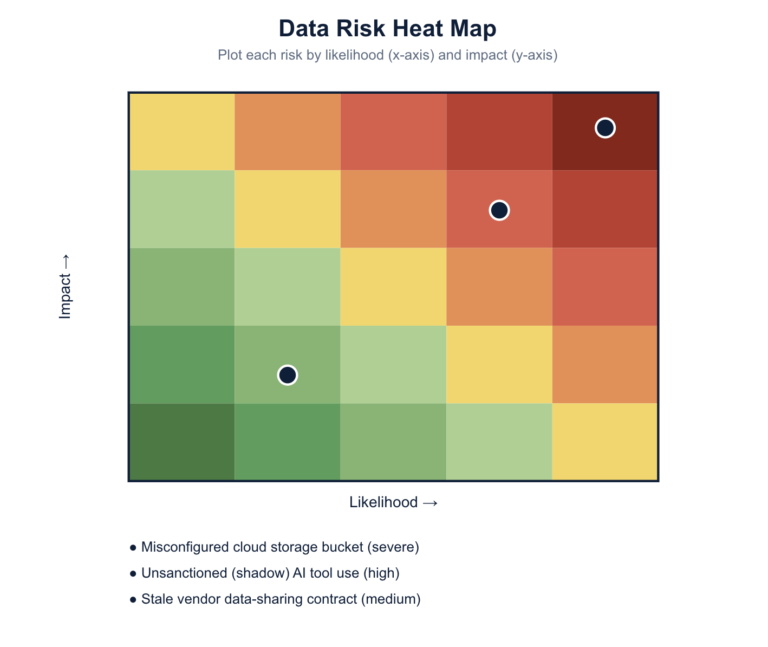
AI The Data Risk Management Framework Built for the Shadow AI Era
The global average cost of a data breach just hit $4.99 million — a 12% jump and a record high, according to…
Liability May Be the Most Practical Brake on Runaway AI
When powerful AI systems cause real harm, the fastest way to change corporate behavior is often not a new statute.
 AI
AI Generative AI Governance Starts With Use, Not Architecture
Generative AI did not arrive through a formal procurement process or a carefully staged pilot.
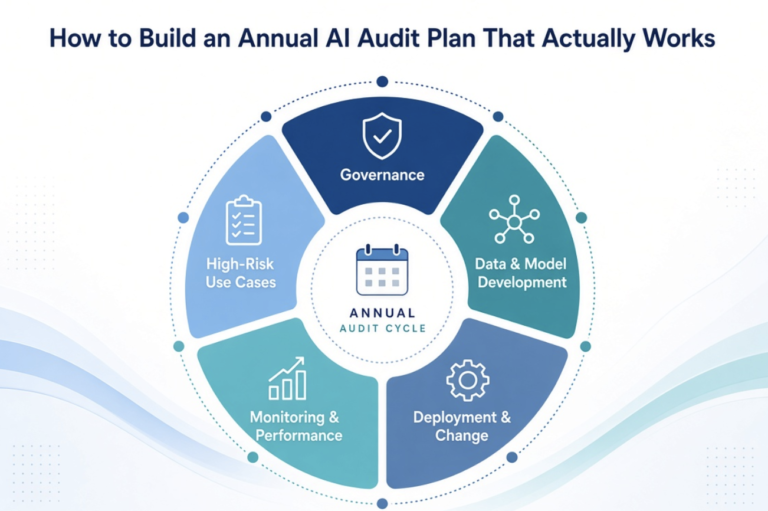
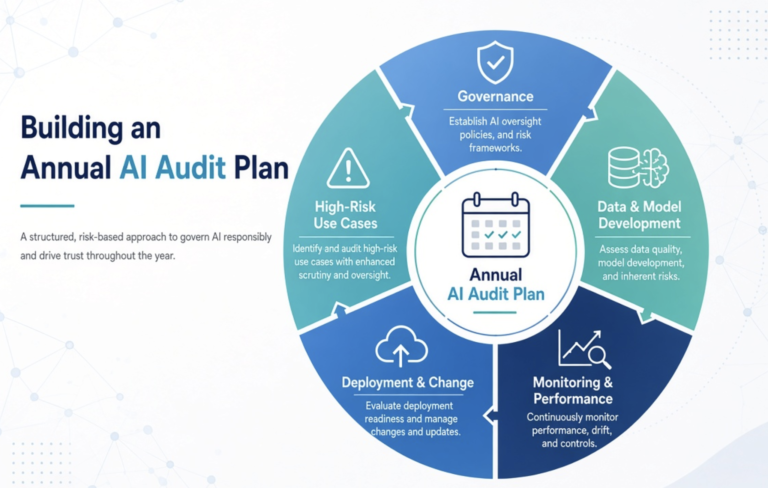
AI Creating a Full-Year AI Audit Program
Internal audit teams often approach artificial intelligence the same way they once approached other emerging risks: schedule one focused review, complete…
Check your own site
See what your website is actually sending.
Run a free privacy audit and find the cookies, pixels, session-replay tools, and trackers running right now — plus the ones that commonly show up in privacy claims. A real review of your site, not just a scan.