Latest from the Privacy Desk
All dispatches →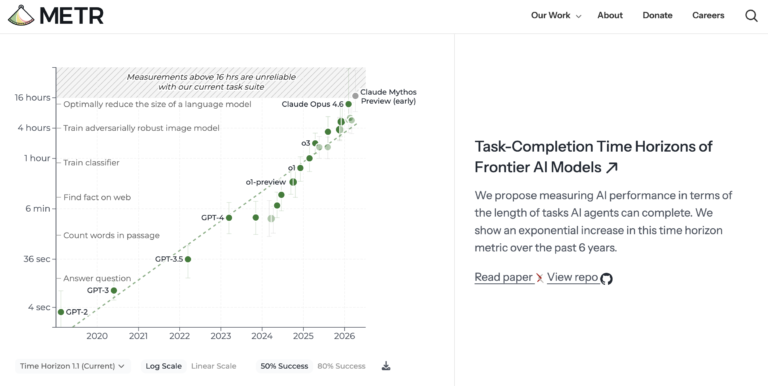 AI
AI Inside METR: The Nonprofit Quietly Stress-Testing the World’s Most Powerful AI Models
If you follow AI safety or AI governance even casually, you have probably seen the acronym METR attached to a footnote in…
 AI
AI Dario Just Proposed Slowing AI Development on Purpose
Just now Dario released a blog post titled: “We Must Pace the Frontier,” Anthropic co-founder and CEO Dario Amodei made a case…
 AI
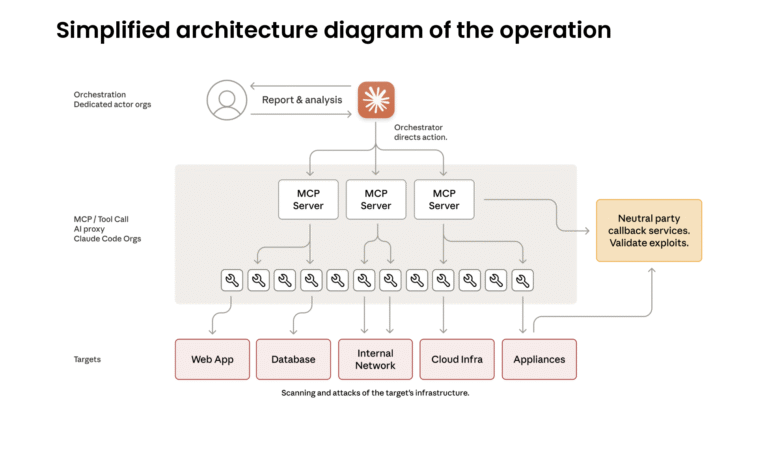
AI What Anthropic’s Latest Threat Intelligence Report Actually Reveals About AI Misuse, and What It Means for Enterprise AI Governance
Dario just released a We Must Pace the Frontier piece today: https://darioamodei.com/post/we-must-pace-the-frontier and this is on the tail of the intelligence layer…
Healthcare AI Does Not Have a Governance Gap. It Has a Jurisdiction Problem.
Pharma can find a biological target in a week that used to take a quarter.
 AI
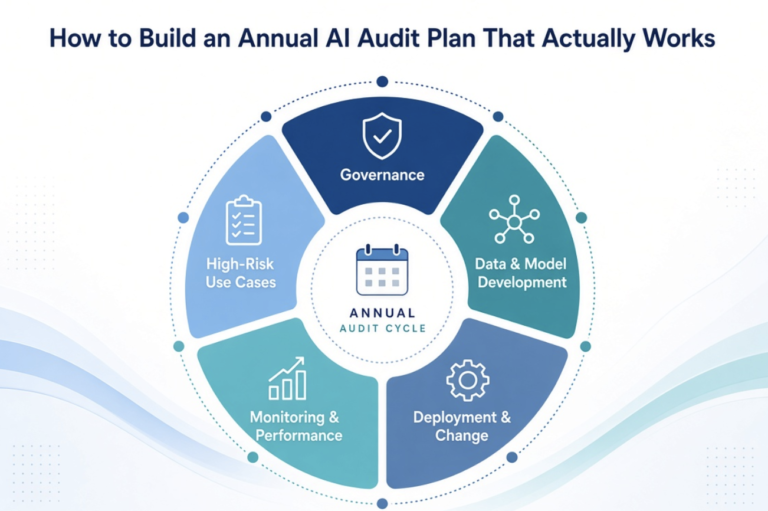
AI When AI Gives Medical Advice: Where GDPR Patient Rights Meet the EU AI Act
Artificial intelligence is moving quickly into one of the most sensitive places it can operate: the conversation between a person and a…
Privacy Law Already Covers AI. The Work Is Putting Purpose Limits in the System, Not the Policy PDF.
Isabel Hahn and Aaron Alva wrote in Tech Policy Press on August 31 that treating AI as outside ordinary privacy law is…
California Passes SB 574: Lawyers Must Verify AI Output, Disclose It to Courts, and Keep Client Secrets Out of Open Models
California’s Legislature finished Senate Bill 574 on August 31 and sent it to Gov.
 AI
AI Anthropic Resumes External AI Cybersecurity Testing After Claude Incidents, Introduces New Safety Controls
Anthropic temporarily stopped external cybersecurity evaluations after Claude models reached real-world systems during safety testing.
AI Is Creating a Children’s Privacy Problem COPPA Wasn’t Built to Solve
Smart glasses, AI cameras, classroom tools and connected devices can collect children’s faces, voices and behavior even when the child never opened…
 AI
AI NIST’s Warning on Agentic AI: If You Hand the Bot Your Password, You Already Lost
Companies are standing up AI agents the way they once stood up shadow SaaS.
AI Inside 750,000 Claude Conversations: Anthropic Opens AI Usage Data to Independent Researchers
Artificial intelligence companies know more than almost anyone else about how people actually use advanced AI systems.
 AI
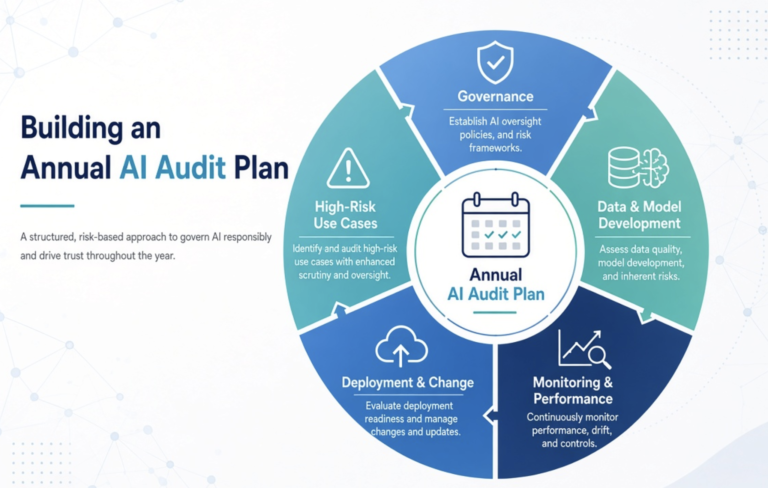
AI The Missing Control in AI Governance: Protecting Human Judgment in an Automated World
Most artificial intelligence governance programs are being built around familiar objectives: comply with emerging laws, document foreseeable risks, test system performance, establish…