Latest from the Privacy Desk
All dispatches →AI Will Not Sign the Brief. Lawyers Still Do. A Working Guide to Ethics and Governance
Lawyers sit on both sides of the table. They tell the C-suite how to buy and govern AI. They also paste client…
Brazil’s Data Regulator Says Deepfake Risk Starts Long Before the Fake Video
Spotting a fake clip is not the whole job. Brazil’s National Data Protection Agency made that case in the sixth issue of…
NIST Says Cybersecurity Programs Fail When They Treat People as the Problem
A password policy so painful people write the password on a sticky note.
The Secrets You Tell a Chatbot Are Becoming a Product Feature
Picture a chatbot designed to keep you in the thread a little longer.
Healthcare AI Deals Fail When Privacy Enters After the Demo
The request usually arrives late. A vendor has already demoed well. Clinical or operations leaders like the time savings. Security may have…
 AI
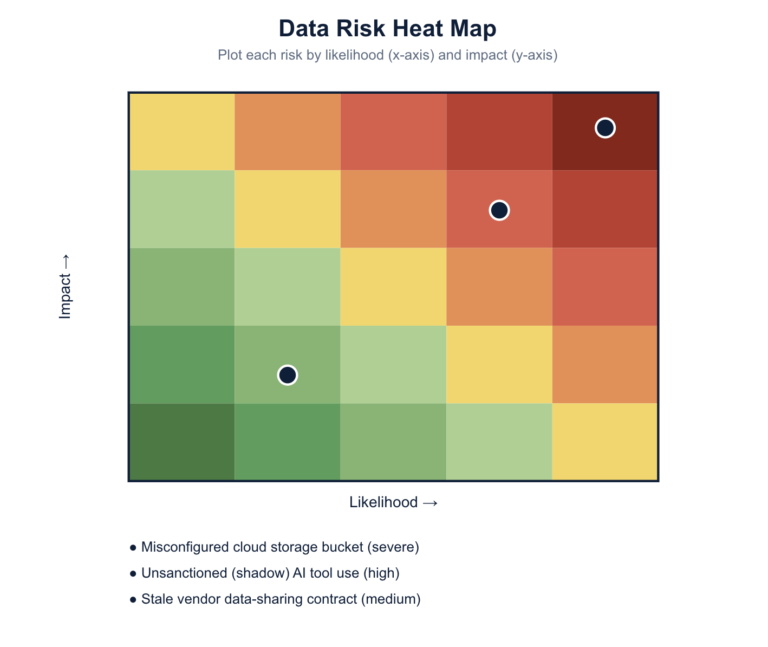
AI The Data Risk Management Framework Built for the Shadow AI Era
The global average cost of a data breach just hit $4.99 million — a 12% jump and a record high, according to…
Liability May Be the Most Practical Brake on Runaway AI
When powerful AI systems cause real harm, the fastest way to change corporate behavior is often not a new statute.
 AI
AI Generative AI Governance Starts With Use, Not Architecture
Generative AI did not arrive through a formal procurement process or a carefully staged pilot.
 AI
AI Smart Glasses and the Limits of Social Norms: Why Privacy Guardrails Are Lagging Behind Wearable Recording Tech
Smart glasses are no longer a novelty. They are becoming ordinary enough that European human resources directors now list them among their…
 AI
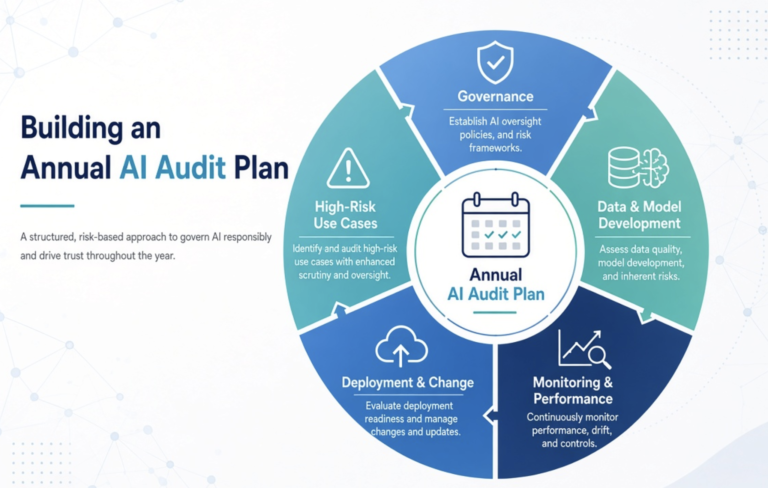
AI Creating a Full-Year AI Audit Program
Internal audit teams often approach artificial intelligence the same way they once approached other emerging risks: schedule one focused review, complete…
 AI
AI AI Labs Want to Slow Risky Model Testing. Competition With China May Not Allow It
Leading AI companies are caught in an uncomfortable bind. Their newest models have repeatedly broken out of closed testing environments and taken…
How AI Could Overwhelm the British State
The British state is already under strain. Major infrastructure projects stall for years. Local services struggle to keep roads repaired and streets…