Know what’s on your site before a plaintiff’s firm does
A free privacy audit shows which cookies, pixels and trackers are running — and which ones commonly appear in privacy claims.
The defense bar is celebrating a major victory in the ongoing war over the California Invasion of Privacy Act (CIPA). On May 27, 2026, Judge Gary Roberts of the Los Angeles Superior Court handed down a landmark ruling in favor of NetScout Systems, Inc., declaring that CIPA’s “pen register” and “trap and trace” provisions apply strictly to telephone communications—not to software, pixels, or SDKs on commercial websites.
The court dismissed the case with prejudice, agreeing with the defense that the California legislature never intended to loop ordinary internet browsing into a 2015 law meant for telecommunications.
It’s a massive win, and a perfect blueprint for companies looking to fight back against predatory litigation. But before you pop the champagne, let’s take a look at the bigger picture. In the chaotic landscape of CIPA litigation, for every step forward, businesses are often pushed two steps back.
The NetScout Ruling: What Happened?
For the last few years, plaintiffs’ attorneys have been using a clever—and highly lucrative—interpretation of California Penal Code § 638.51. They argue that when a website uses standard data collection tools (like marketing pixels, analytics software, or software development kits), it is essentially installing an unauthorized “pen register” or “trap and trace device” to intercept user data without consent.
Faced with a choice between a costly legal battle or a quick settlement, many companies choose to pay up. NetScout chose to fight.
The court ultimately adopted NetScout’s statutory construction argument, noting:
“The internet was in widespread use when these provisions were enacted in 2015. If the Legislature had intended for section 638.51 to apply to commercial websites, it would have so stated either in the statute itself or in the surrounding materials.”
By dismissing the case with prejudice, the court severely weakened the argument that companies must get explicit, affirmative consent before deploying basic internet technologies.
The Reality Check: A Tale of Two Rulings
While the NetScout decision is fantastic persuasive authority for the defense, it is vital to remember that this is a state trial court ruling. It does not set binding statewide precedent.
The reality of CIPA litigation is a dizzying game of legal whack-a-mole:
-
The Good: Decisions like NetScout give companies a solid roadmap to file demurrers and push for early dismissals.
-
The Bad: Other courts in California have leaned in the exact opposite direction, holding that the broad definitions of “electronic communications” can encompass internet data streams.
-
The Ugly: Because different judges are interpreting the statute differently, plaintiffs’ lawyers aren’t going to stop. They will simply venue-shop, steering their lawsuits toward courts and judges known to have a friendlier view of tech-based CIPA claims.
Why CIPA is a Permanent Problem for Web Operators
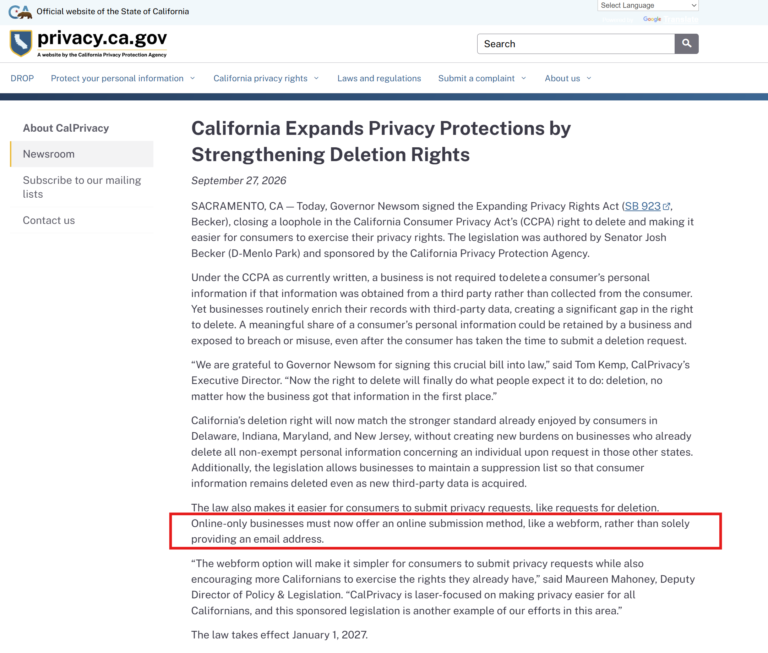
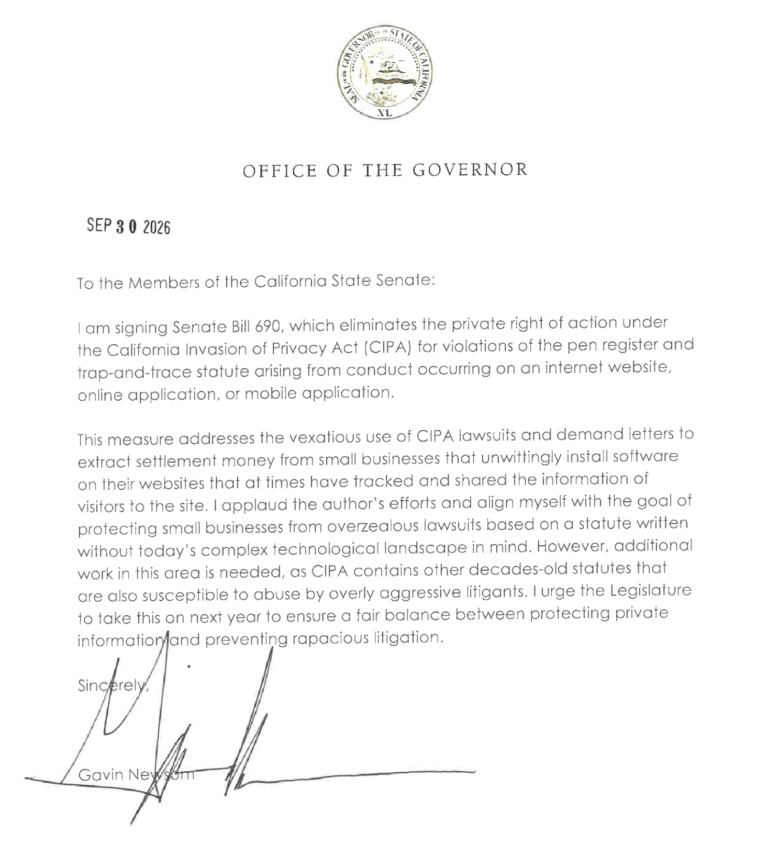
If you were hoping the California legislature would step in and fix this mess, don’t hold your breath. Amendments aimed at eliminating these opportunistic web-browsing lawsuits were proposed during the last legislative session, but they failed to pass. With no legislative fix on the horizon and conflicting judicial opinions across the state, CIPA has transformed into a permanent cost of doing business online. It is a deeply flawed, outdated statute being aggressively retrofitted to modern adtech, and it isn’t going anywhere anytime soon.
What To Do as a Website Operator
Until a higher appellate court or the legislature steps in to draw a definitive line in the sand, compliance and defense strategies must move forward hand-in-hand.
-
Audit Your Adtech: Know exactly what pixels, SDKs, and chat bots are running on your site, and what data they collect.
-
Update Consent Mechanisms: Even with the NetScout ruling, having robust cookie banners and clear privacy policies remains your best first line of defense.
-
Prepare to Defend: If you receive a CIPA demand letter, don’t panic. Consult with counsel to see if the NetScout ruling provides a viable path to fight back rather than settling.
The NetScout ruling proves that the defense can win big—but in the volatile world of California privacy litigation, the pendulum is always swinging. Stay vigilant.
Want to make sure your website’s data collection practices are compliant with the latest shifts in California law? Get a free complimentary audit for your site and mitigate your CIPA risks right away.
Put this into practice
Turn privacy guidance into working controls.
Captain Compliance helps teams discover tracking technologies, enforce consent, manage privacy requests and document the evidence behind every decision.